Juneteenth is a celebration of freedom.
On June 19, 1865, more than two years after the Emancipation Proclamation was issued, enslaved people in Galveston, Texas finally learned they were free. Since then, Juneteenth has become a day to celebrate freedom, family, culture, resilience, and community.
It is also an opportunity to learn more about the people and stories that helped shape the places we call home.
Black history is not a separate chapter in Dubuque’s story. It is part of Dubuque’s story.
Many people are surprised to learn that Black residents were among Dubuque’s earliest pioneers. By 1840, Dubuque was home to the largest Black population in Iowa. Their contributions can be found throughout our history. Black Dubuquers helped build businesses, churches, civic organizations, athletic programs, and community institutions. They served in the military, advocated for civil rights, raised families, and helped shape the character of our city.
The stories of Black Dubuquers are too numerous to tell in a single article, but here are two examples that highlight their impact:
- In 1868, Alexander Clark helped secure one of the most important civil rights victories in Iowa history when he successfully challenged the exclusion of his daughter, Susan Clark, from a public school because of her race. The Iowa Supreme Court ruled that separate schools were not equal schools, integrating Iowa’s public schools nearly a century before Brown v. Board of Education would do the same nationwide.
- In 1933, Dubuquer Theatrece Gibbs became, as far as historians can determine, the first African American to captain a high school football team in the United States. He later earned recognition in the University of Dubuque Athletic Hall of Fame for his accomplishments in track and field. His achievements reflected both personal excellence and the growing contributions of Black residents to every part of community life.
Dubuque’s history also includes difficult chapters that deserve to be remembered honestly. Black residents faced discrimination and exclusion throughout much of the city’s history. Housing, employment, and social opportunities were often limited by race, and many Black families experienced barriers that white residents did not. In the late 1980s and early 1990s, a series of cross burnings and other acts of racial intimidation drew national attention and forced the community to confront long-standing issues of race and belonging.
Yet that history is only part of the story. Black Dubuquers continued to build businesses, lead organizations, raise families, serve their communities, and advocate for change. Community leaders, civil rights advocates, faith communities, educators, and neighbors worked to challenge discrimination and create a more welcoming city. Their efforts helped shape the Dubuque we know today.
The story of Black Dubuquers is not only history. It is a living story that continues today. While our community has made progress, the legacy of discrimination does not disappear overnight. Differences in opportunity and outcomes remind us that history continues to shape the present. Recognizing that reality is not about dwelling on the past. It is about understanding our community honestly and continuing the work of building a Dubuque where every neighbor belongs and has the opportunity to thrive.
That is part of what Juneteenth asks of us.
Today, the annual Dubuque Juneteenth Celebration continues that tradition of community, culture, and remembrance. This year’s celebration, organized by the Multicultural Family Center, spans three days of events honoring Black history, resilience, and achievement.
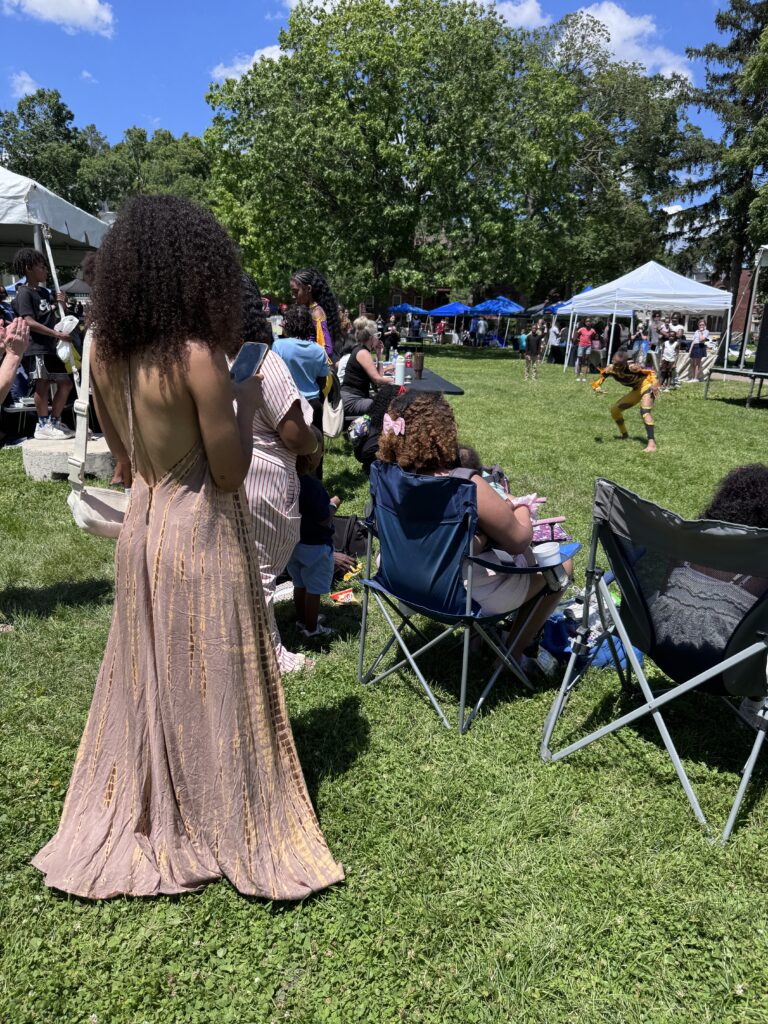
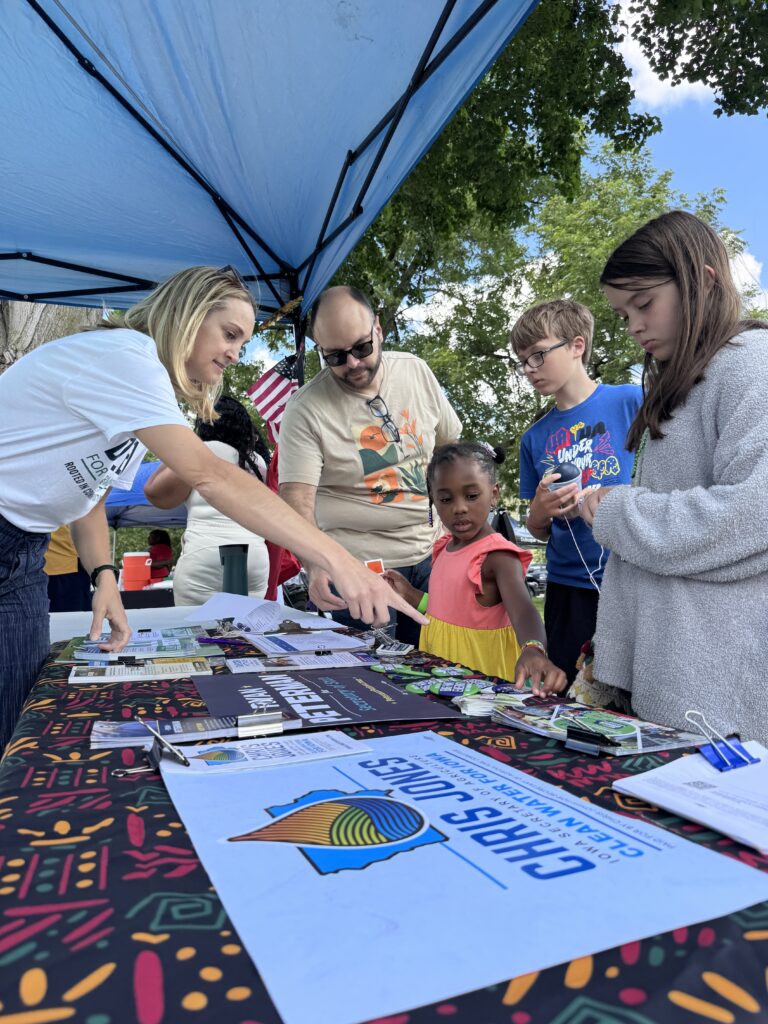
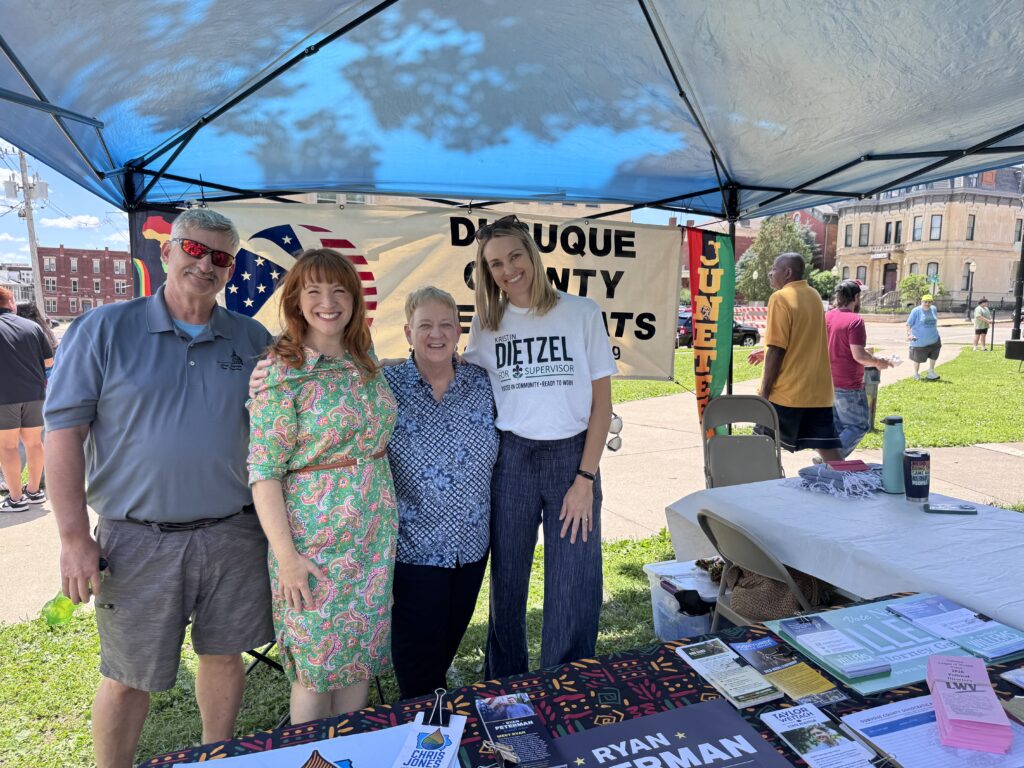
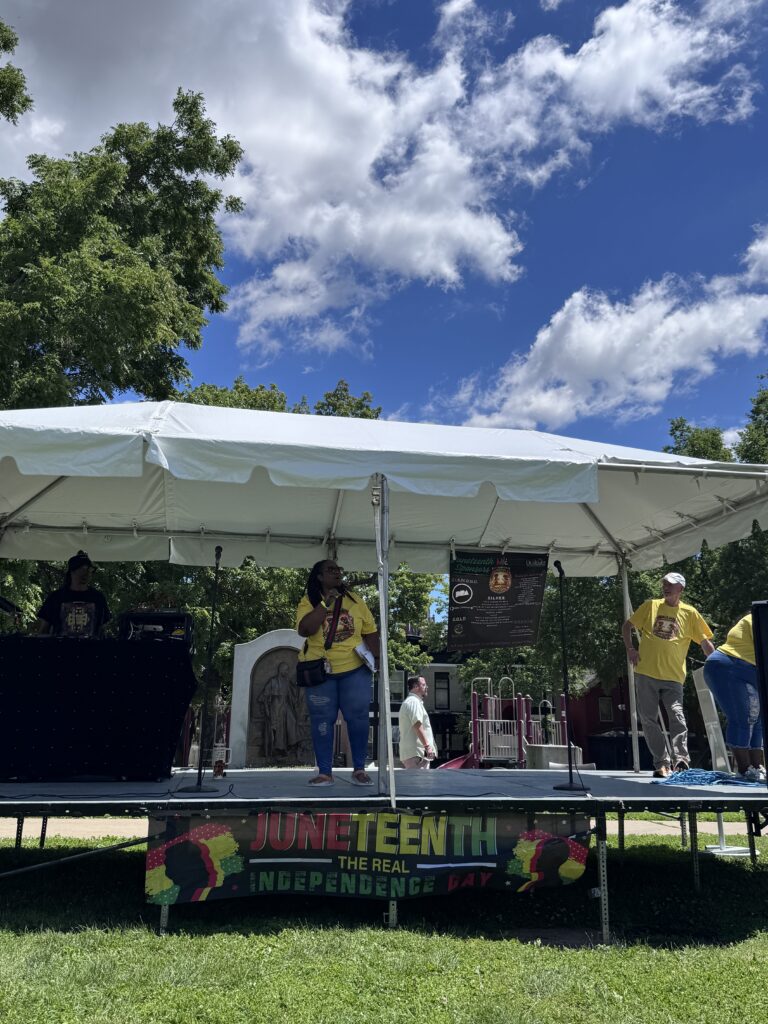
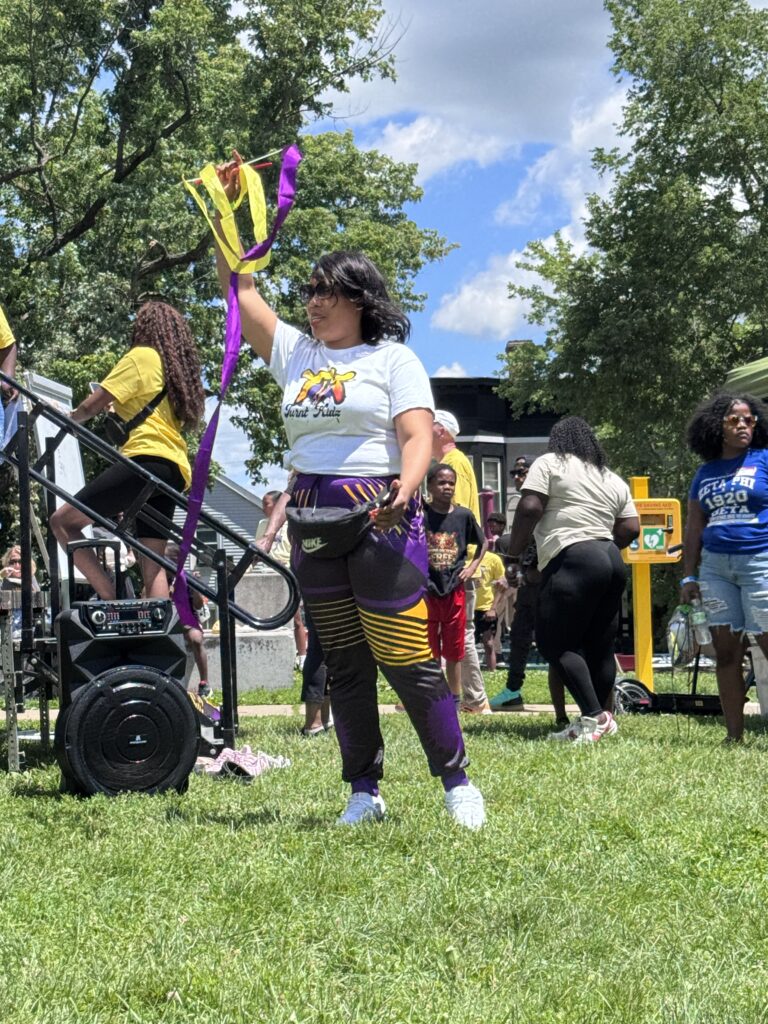
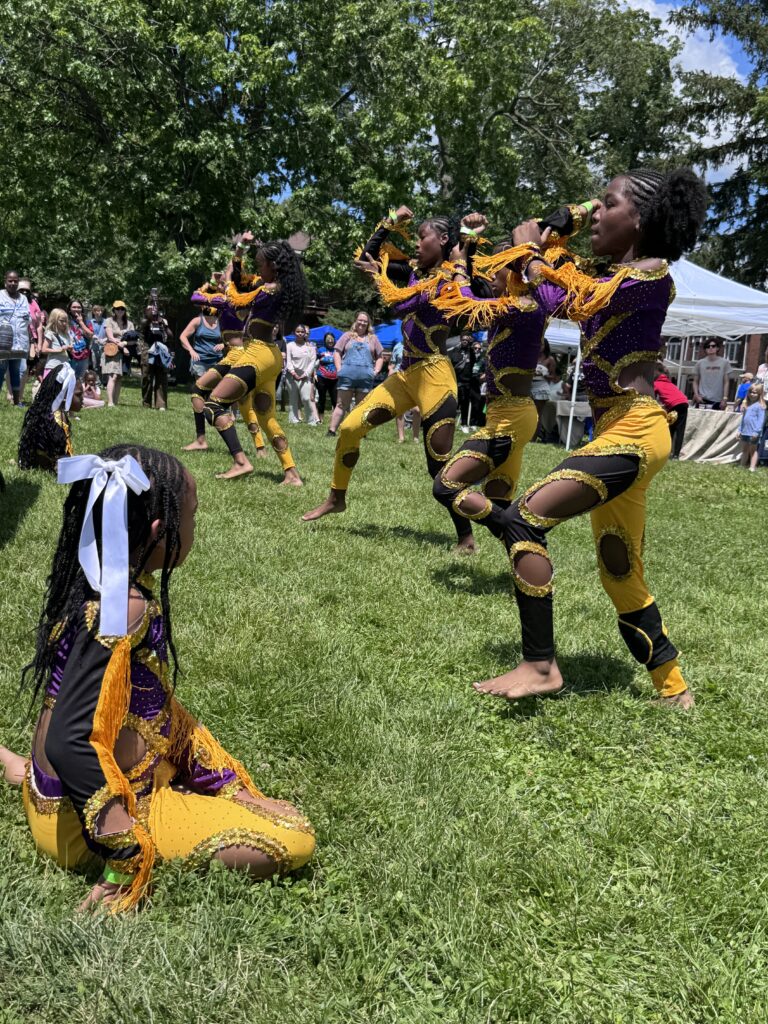
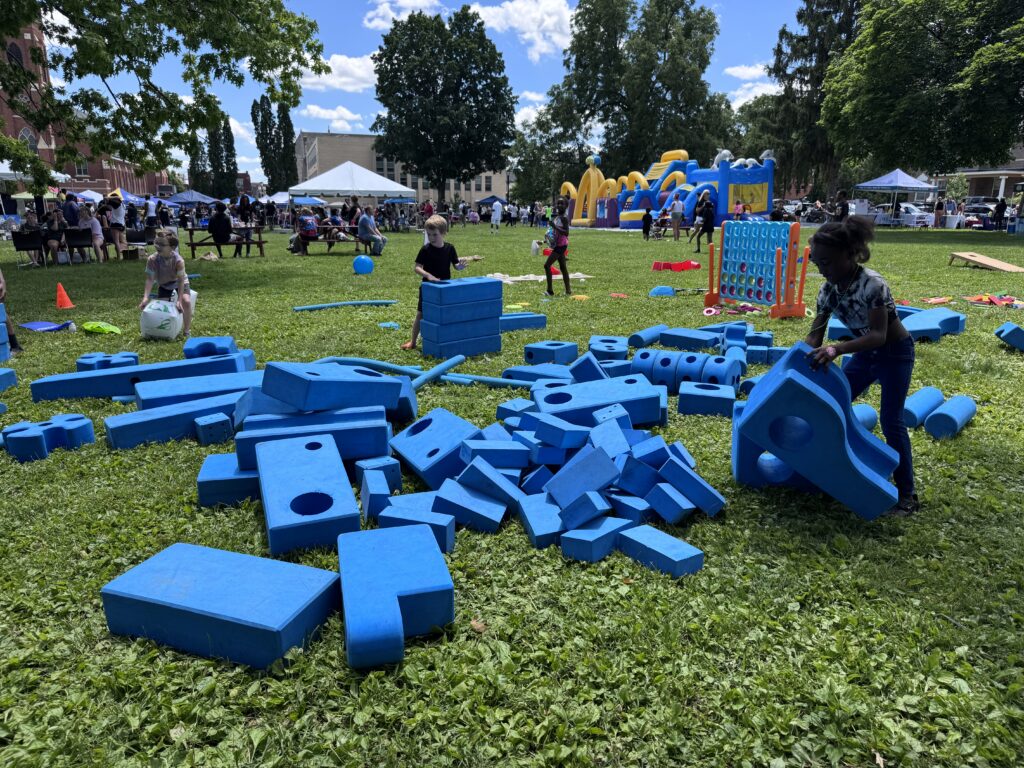
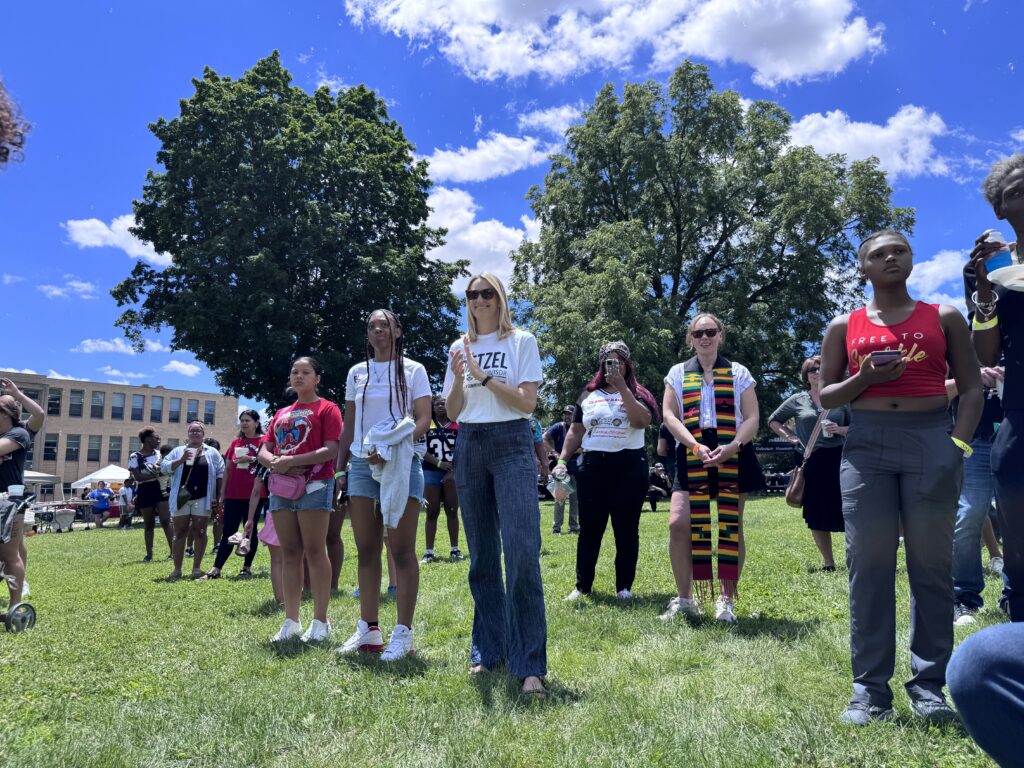
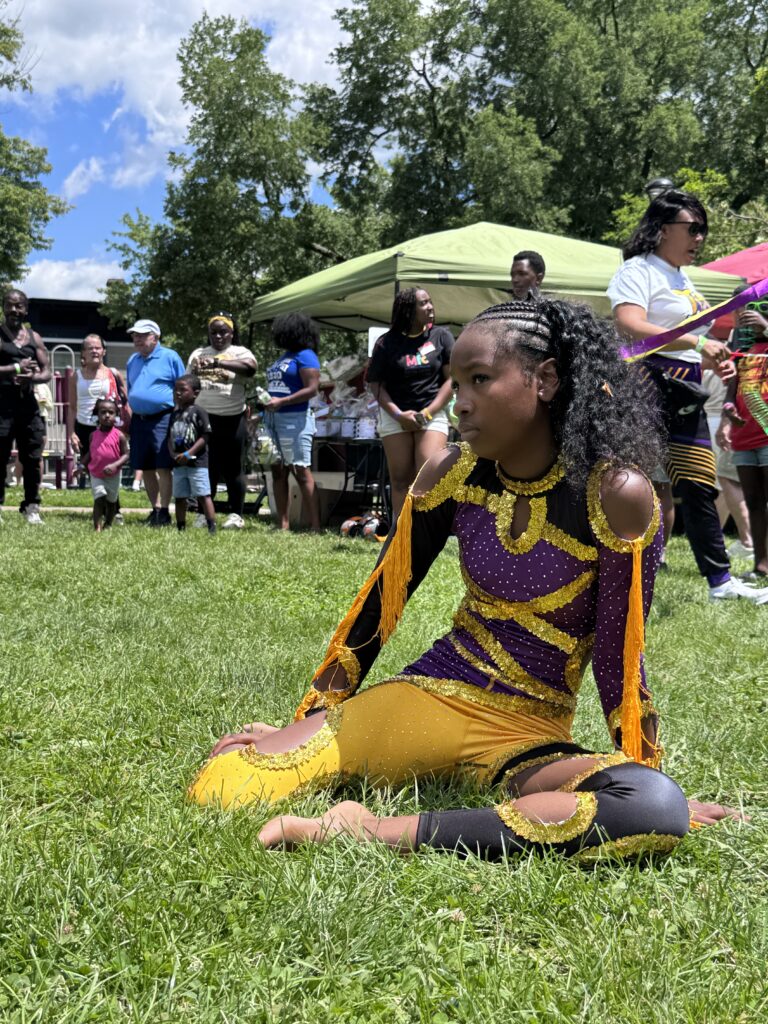
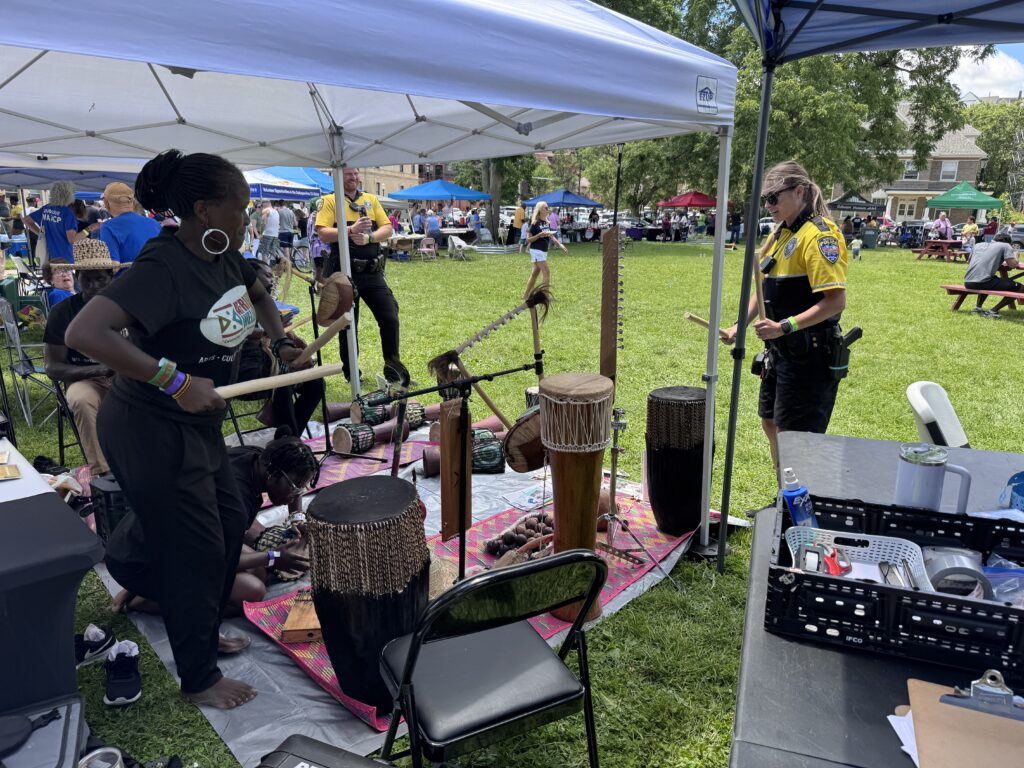
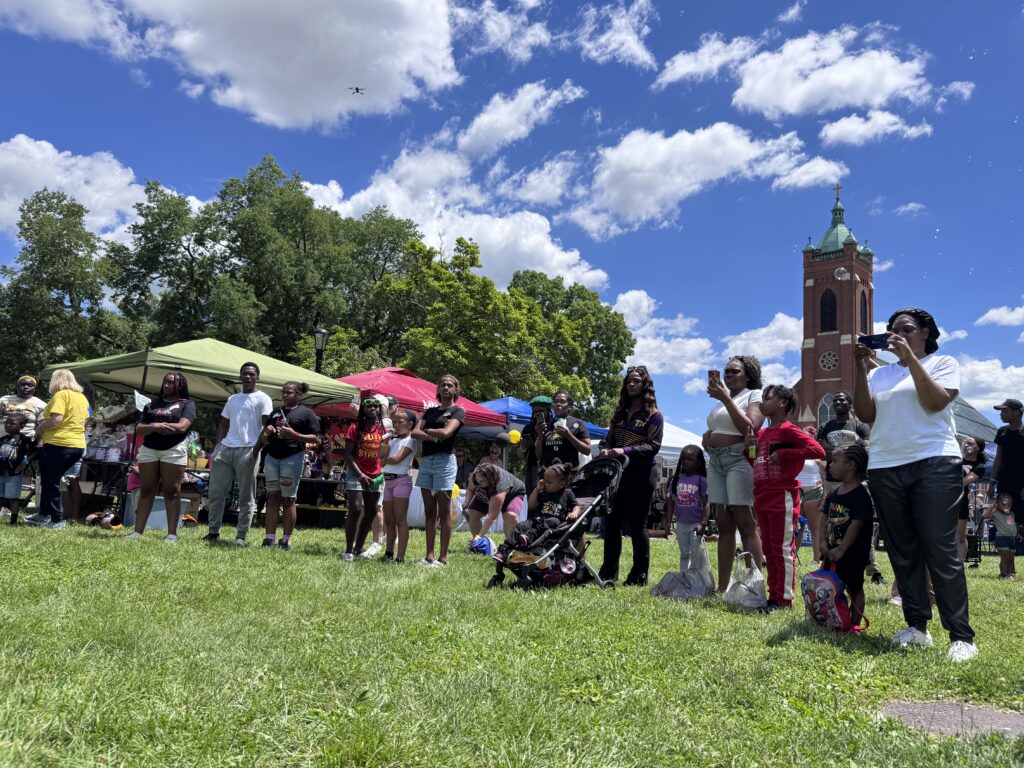
The weekend begins with History Retold on Friday evening, featuring art, music, fashion, storytelling, and cultural exhibits. On Saturday, families and neighbors will gather for Picnic in the Park at Jackson Park, with food, entertainment, games, community organizations, and activities for all ages. The celebration concludes Sunday with Prayer and Praise, bringing together congregations from across Dubuque for worship, reflection, and community fellowship.
These events offer an opportunity not only to celebrate Juneteenth, but also to learn, connect, and honor the generations of Black Dubuquers whose contributions have helped shape our community.
As we celebrate Juneteenth, we honor the generations of Black Dubuquers whose lives, leadership, and contributions helped build the city we know today. Their story is a story of courage, community, achievement, perseverance, and hope.
Join the Celebration
- History Retold: Friday, June 19, 5:45–9:00 PM, Multicultural Family Center
- Picnic in the Park: Saturday, June 20, 12:00–4:00 PM, Jackson Park
- Prayer and Praise: Sunday, June 21, 11:00 AM–1:00 PM, Multicultural Family Center
Learn More
This article only scratches the surface of a rich and important history. If you’d like to learn more about Black history in Dubuque and Iowa, we encourage you to explore these resources:
Finding Dubuque: Uncovering Dubuque’s Black Heritage
An interactive storytelling project created as part of the City of Dubuque’s Black Heritage Survey.
Encyclopedia Dubuque – African Americans
A comprehensive overview of Black history in Dubuque, including community leaders, organizations, businesses, athletics, education, and civil rights.
City of Dubuque Black Heritage Survey
Research, historic preservation efforts, and resources documenting the contributions of Black Dubuquers throughout the city’s history.
The African American Museum of Iowa (Cedar Rapids)
The state’s only museum dedicated to preserving, exhibiting, and teaching Iowa’s African American history and culture.
Learning more about our shared history helps us better understand the community we live in today—and the community we hope to build for future generations.
Happy Juneteenth, Dubuque.
Photos from the 2026 Community Picnic in the Park